Invest in truth, in wisdom’s flame, in discipline’s not-earthly fame. For knowledge grooves, and with it, pains the more you know, the more this strain.
The more you know, the more you’ll ache. The more you see, the more your heart will break.
Knowledge cuts deep but through the pain, God speaks.
Wisdom and foolishness both chase the wind. But wisdom still shines like light breaking in.
Nothing on earth is worth the race. Only God deserves that place.
He calls your name. He wants your heart. He wants to be the center of it all the reason, the rhythm, the start.
What He has done will forever remain. No man can alter the works of His hand.
He shaped it all so we might see that worship isn’t duty… it’s destiny.
So fix your gaze upon the Lord. At the end of it all He’s all that matters.
Every crown will crumble. Every title will fade. Every glory will fall like dust. But God will still stand.
All vanity. Vanity upon vanity. Respect and obey God for that is the essence of man.
And when the final breath leaves the earth, when all voices fall silent, when everything returns to dust only One will remain.
Students of the Federal Polytechnic Bauchi living off-campus are voicing growing concerns over the dangers of uncovered wells in their host communities. What should be a simple source of water has now become a source of fear, with risks ranging from contamination to accidents.
For many students, these wells are their lifeline. They rely on them daily for drinking, cooking, bathing, and laundry. But without covers, the wells remain wide open — exposing water to dirt, debris, and harmful waste. The result, according to the students, is water that is not only unsafe but potentially deadly.
“Sometimes when we fetch water, we notice particles floating inside. We have no choice but to use it, but we know it is not healthy. And anyone can fall inside — it is not safe at all,” a student explained.
Health experts warn that uncovered wells are breeding grounds for contamination that can lead to cholera, typhoid, and other waterborne diseases. Students fear the upcoming rainy season will make things worse, with floodwater washing more pollutants into the already exposed wells.
Safety is also a major worry. With no barriers or coverings, the risk of children or unsuspecting residents accidentally falling into the wells is high — a tragedy students say can easily be prevented with simple protective measures.
Despite raising the issue with landlords and community leaders, little action has been taken. Students are now appealing for urgent intervention from authorities, landlords, and the school management to ensure clean and safe water.
Covering wells with concrete slabs or wooden lids, fencing them properly, and regular monitoring, experts say, would go a long way in solving both the safety and hygiene problems.
For students who already face the challenges of studying away from home, the demand is simple: safe water and a secure environment. Until that is provided, the uncovered wells will remain a daily reminder of the risks they live with.
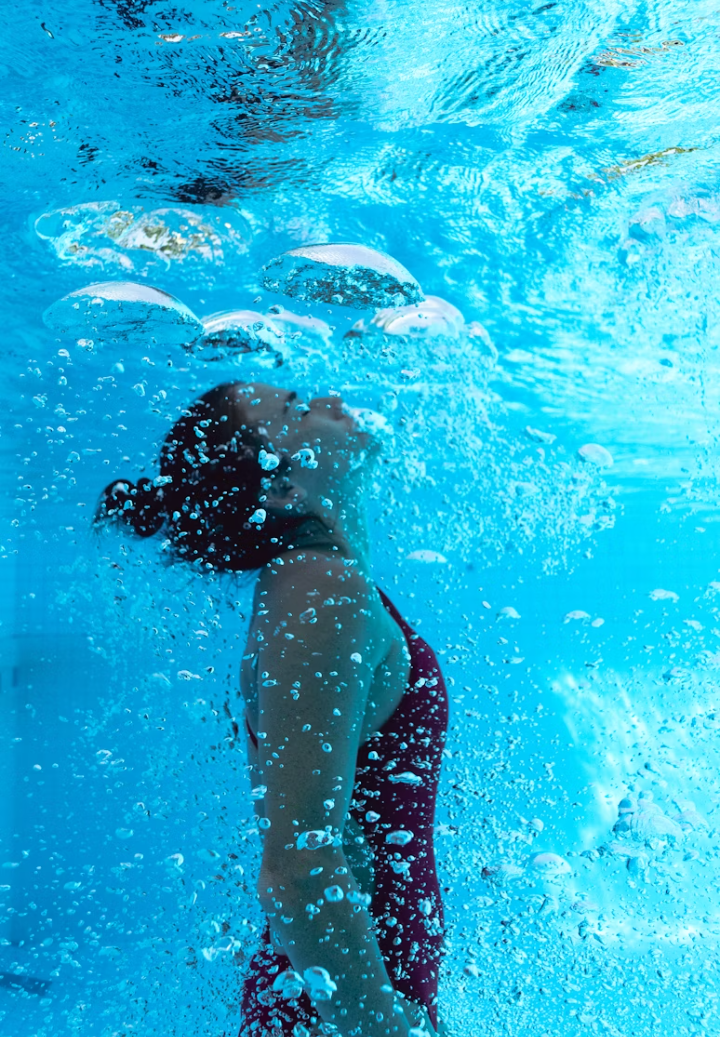
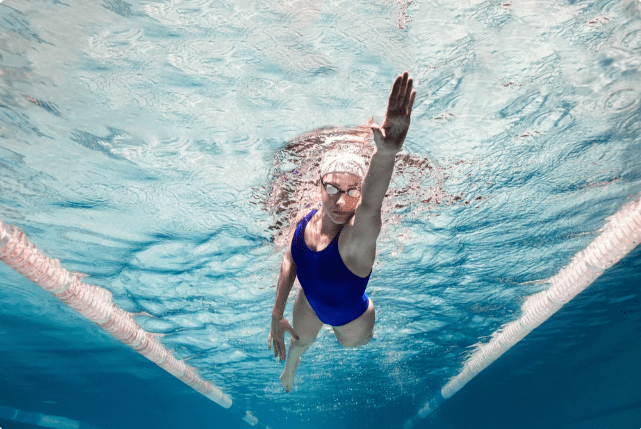
Swimming is one of the oldest and most beloved sports in the world. From local community pools to the grand stage of the Olympic Games, this timeless activity has captivated generations. The scent of chlorine, the sparkle of blue water, and the steady rhythm of strokes create a scene that is both relaxing and inspiring. For some, the pool is a sanctuary of peace. For others, it is a battleground to test limits, chase records, and redefine what the human body can achieve.
The Benefits of Swimming: More Than Just a Workout
Swimming is far more than a competition. It is a full-body exercise that improves cardiovascular health, builds endurance, tones muscles, and increases flexibility. Unlike many sports, swimming is low-impact, making it suitable for people of all ages and fitness levels.
Beyond the physical benefits, swimming also promotes mental well-being. The soothing nature of water reduces stress, eases anxiety, and offers a meditative escape from the fast pace of everyday life. For many, swimming is not just a sport — it is therapy.
A Truly Universal Sport
One of the most remarkable things about swimming is its accessibility. It transcends culture, geography, and background. Whether you’re swimming in an Olympic-sized pool, at a local club, or in a natural body of water, the experience is universal. All it takes is water and the willingness to dive in.
Swimming Legends Who Changed the Game
The history of swimming is filled with athletes who transformed the sport. Mark Spitz stunned the world at the 1972 Munich Olympics, winning seven gold medals. Michael Phelps, widely known as the greatest swimmer of all time, holds 28 Olympic medals — 23 of them gold. Dara Torres proved that age is just a number, competing in five Olympics and earning 12 medals along the way.
These Olympic swimmers have not only broken records but also inspired millions, showing that swimming is as much about passion and dedication as it is about speed and technique.
A Look Back: The History of Swimming Competitions
Competitive swimming has deep roots. In 1828, the first indoor pool, St. George’s Baths, opened in England. By 1837, London hosted its first official swimming competitions. The formation of the Amateur Swimming Association in 1880 marked a major milestone, and by then, hundreds of clubs had already sprung up across the country.
Today, competitive swimming is a cornerstone of international sporting events, with the Olympics being its crown jewel. Every four years, swimmers from across the globe set new records, proving that the sport is constantly evolving.
Modern Swimming: Technology Meets Tradition
Gone are the days when swimming relied solely on raw talent and endurance. Modern swimmers benefit from advanced swimwear designed to reduce drag, alongside cutting-edge training methods that use data and analytics to sharpen performance. This blend of tradition and innovation has pushed the sport to new heights.
Swimming as Therapy and Rehabilitation
Another powerful aspect of swimming is its role in therapy and rehabilitation. Doctors and physiotherapists recommend swimming for patients recovering from injuries because it strengthens muscles without putting stress on joints. Its calming effect also helps individuals manage conditions such as anxiety, depression, and chronic pain.
The Future of Swimming: Going Green
Sustainability is now shaping the sport. From eco-friendly swimming pools to biodegradable swimwear, the industry is embracing environmentally conscious innovations. This shift ensures that swimming remains not only a sport of endurance and grace but also one of responsibility toward the planet.
Dive Into the World of Swimming
Swimming is more than a sport — it’s a lifestyle, a form of therapy, and a global tradition. It celebrates perseverance, discipline, and beauty in motion. Whether you’re chasing Olympic dreams, swimming for fitness, or simply enjoying the water for relaxation, the benefits of swimming are endless.
So dive in, feel the freedom of the strokes, and experience firsthand why swimming is one of the world’s most majestic and enduring sports.
At a time when most students are cooking with gas burners, electric cookers, or even induction plates, a female student of the Federal Polytechnic Bauchi still depends on an old kerosene stove to prepare her meals.
The student, identified as Amina, lives off-campus in the Gwallameji area of Bauchi. Unlike many of her peers who receive financial support from home, Amina sponsors herself through school. She combines lectures with menial jobs and side hustles to pay her rent, fees, and daily upkeep.
Because of this financial strain, she cannot afford a gas cylinder or electric cooker, and instead relies on her kerosene stove — a method many consider outdated in 2025.
“To some people it looks embarrassing, but this is what I can manage,” Amina told this blog. “Kerosene may be slow, but at least I can afford it.”
Classmates sometimes mock her choice, saying she is “backward” in a modern age. Yet, for Amina, the stove is not a symbol of shame but survival. With the frequent electricity shortages in Bauchi and rising gas prices, her stove has proven more reliable than many modern alternatives.
Her story highlights the silent struggles of many Nigerian students who juggle education with financial hardship. While technology has advanced, the realities of poverty mean that some are still left behind, relying on the simplest tools just to survive.
Amina’s story is a powerful reminder that behind every student’s face is a hidden struggle. It challenges us to look beyond appearances and appreciate the resilience of those building their future against all odds.
What started as a normal day of frying and selling potatoes turned into a bitter experience for a roadside seller in Gwallameji, Bauchi, after she was tricked by a man who posed as a customer and made away with her phone.
According to eyewitnesses, the incident happened in the afternoon while the woman, identified as Aisha, was busy attending to customers at her stand. The suspect reportedly bought fried potatoes and then requested to use her phone to send a WhatsApp message to his own device.
Distracted by the frying and the growing number of buyers, Aisha agreed and handed him the phone. He stayed close to the stand, pretending to wait for his order while she served others. Moments later, when she turned to hand him his food, the man had vanished — along with her phone.
“The man looked like a genuine customer. Nobody suspected he had such a plan,” a passerby told this blog.
For Aisha, the loss is more than just a mobile phone. It was a vital tool for her small business, as many customers often call to place orders. It was also her link to family and friends.
Though the thief fled before anyone could chase him, residents have described the incident as another example of petty crime affecting small business owners in the Gwallameji area.
This story is a reminder of how vulnerable petty traders are to petty crimes in our communities. It also calls for greater awareness and support to protect those whose livelihoods depend on every day’s sales.




 Eva.D.